
Claude Code vs Codex CLI

Hello everyone,
Before we begin, I want to share some exciting news: I’ve launched a pilot collaboration designed to help you find your next role.
You can browse the open positions on my website: https://www.diamant-ai.com/jobs
The idea is simple. I’m partnering with great companies to help them connect with great candidates from my community. Here’s how it works:
Review the open roles on the jobs page
Choose one that fits your background
Upload a 3-minute video introducing yourself and walking through a relevant project you’ve worked on
We’ll take care of the rest.
Looking forward to seeing your submissions!
Most developers spend a week comparing Claude Code and Codex CLI, pick whichever their team already trusts, and never open the other. The engineers who ship the most do something stranger. They wire the two tools together so one reviews the other automatically. That single decision changes how much they spend, which bugs reach production, and how late they stay at the keyboard.
The comparison framing is the trap. These tools fail in opposite ways. They cost different amounts in real-world use, not the amounts the marketing pages suggest. And the open-source pattern that combines them has quietly become the standard for serious work in 2026.
By the end of this post you will know the real cost gap (closer to ten times than four times once you run real refactors), the failure mode each tool reliably ships, and the MCP setup that turns them into a planner-and-reviewer team.
The Cost Gap
The “Codex CLI uses four times fewer tokens” claim is widely repeated. It also understates the bill. Run an Express.js backend refactor through both tools and pay in API tokens. Claude Code lands around one hundred and fifty-five dollars. Codex CLI finishes the same refactor for fifteen. Ten times the bill, not four.
The compounding factor is verbosity. Claude Code narrates. It explains every step before it acts. Output tokens are the most expensive category, and Opus 4.7 charges five times the output rate of GPT-5.4. Verbose reasoning is a feature in the marketing. It is a meter in your invoice.
Subscription tiers do not bail you out. Plan on losing about a fifth of your week to waiting on Claude Code rate limits. Heavy users exhaust the twenty-dollar Pro plan within five complex prompts and migrate to the Max tier at one hundred or two hundred dollars just to keep moving. A loud contingent of those same engineers cancel Max and switch to Codex CLI on the twenty-dollar Plus plan instead.
OpenAI has its own trap. In April 2026 they quietly moved agentic Codex workflows from flat subscription billing into API metering. Engineers are getting bills in the thousands for sessions they thought were included. Pick your tool based on which billing surprise you are willing to absorb.

How Each Tool Catastrophically Fails
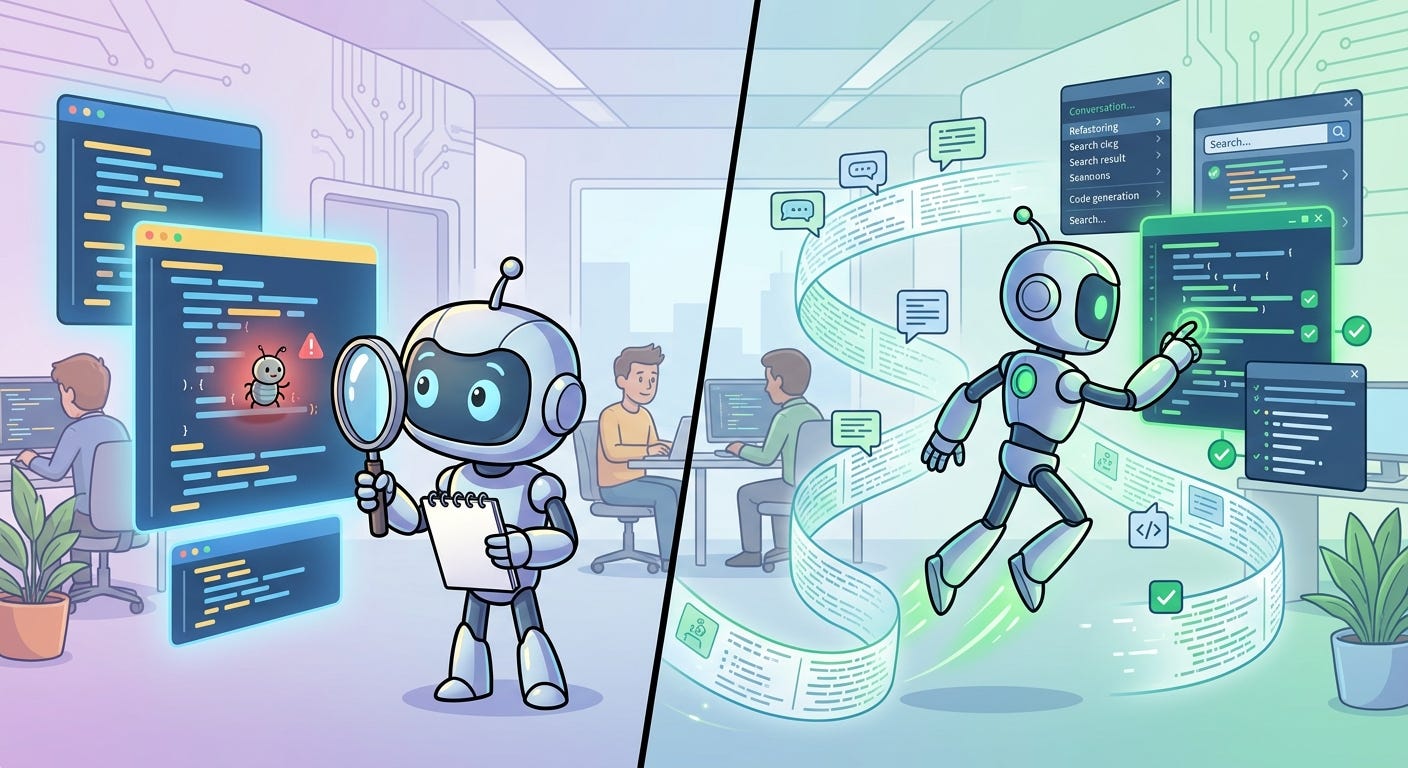
Claude Code’s signature failure is context drift. By hour three of a continuous session, the agent stops referencing the codebase and starts referencing what it itself said an hour earlier. Think of a tired surgeon working from memory of the patient she saw at the start of her shift. Push past three hours and you reliably watch tasks get abandoned mid-stream.
Multi-file refactors are where this breaks worst. Claude Code edits the primary file cleanly, then loses the dependency chain. You spend an hour stitching exports, imports, and downstream consumers back together. Anthropic’s marketing says the tool plans across files. The reality is one file at a time, fresh session each task, or you pay for it.
Claude Code also has a quiet bug factory in test generation. The tests it writes pass with a green check but assert the wrong behavior. It will preemptively mock browser APIs just to keep a test from crashing, silently bypassing the logic the test was supposed to verify. If you trust the green check, that habit ships bugs.
Codex CLI fails differently. Its output is “almost correct” code. It compiles. It passes the existing tests. It contains an integration bug that fires only under production load. A Codex /goal session can run twenty-five hours unattended, burn thirteen million tokens, and ship thirty thousand lines of code no human reads closely. Impressive endurance. Also a perfect way to merge a subtle disaster.
Codex CLI hangs silently in CI too. Skip the codex-yolo alias or the approval policy override and the agent will sit indefinitely at an approval prompt, burning your runtime budget while waiting for a keystroke that cannot arrive.
The failure modes map cleanly to task assignments. Use Claude Code where wrong code costs the most: payment paths, frontend users see, anything touching production money. Use Codex CLI where you can verify cheaply before merging: DevOps scripts, batch test generation, scaffolding.
The MCP Bridge
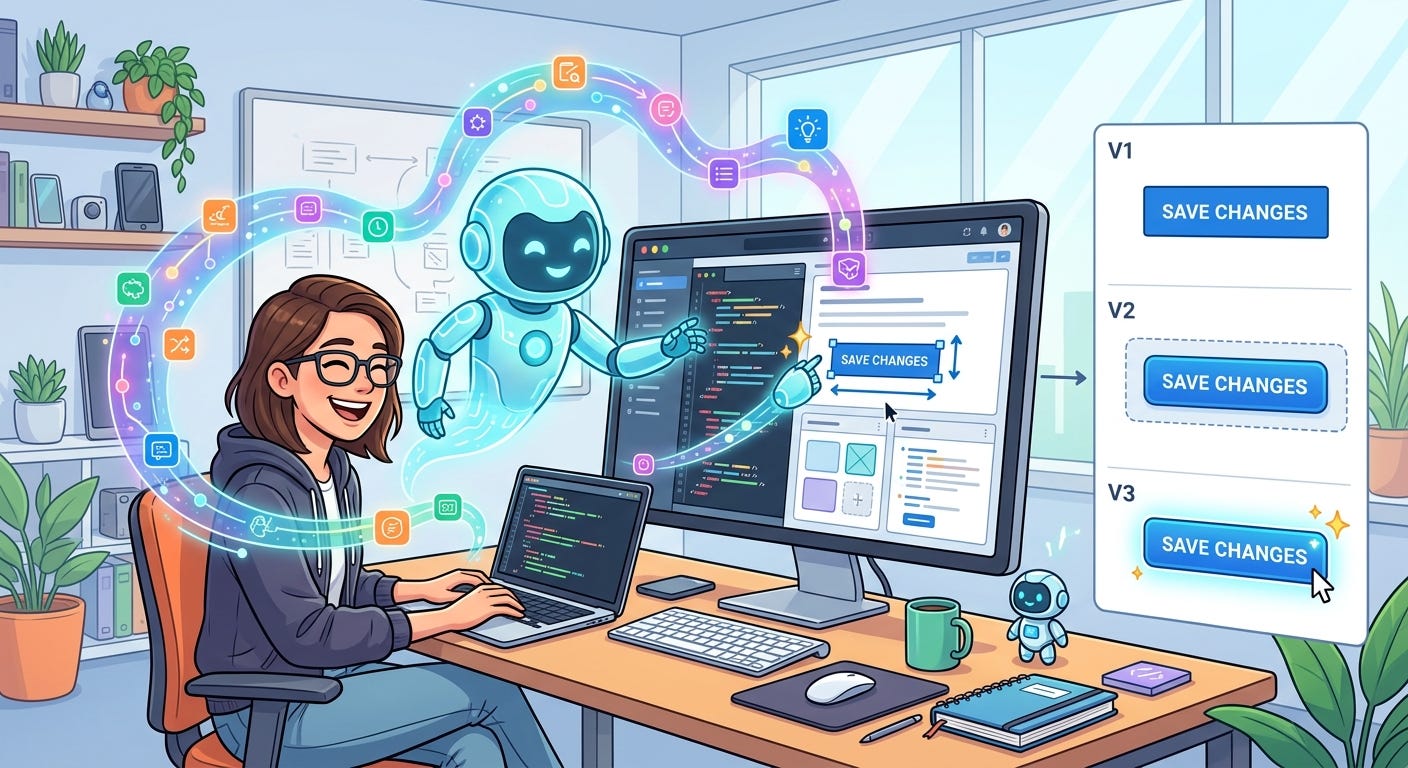
The pattern that became standard is not running two terminals. It is wiring Codex CLI as a Model Context Protocol server inside Claude Code so the two agents review each other’s work without you swivel-chairing between them.
OpenAI’s official plugin openai/codex-plugin-cc automates this. One plugin install inside Claude Code wires Codex into your session. After that, the workflow is mechanical. Claude Opus uses its Plan agent to research the codebase and propose a structured plan. Codex audits the plan for correctness and security before a single line of code is written. Claude Sonnet implements the agreed plan to keep cost low. Codex reviews the resulting git diff and returns one of three structured verdicts: APPROVED, WARNING, or BLOCKED. A BLOCKED verdict triggers up to three automatic repair cycles. No human in the middle.
Why this matters: an AI agent cannot review its own work. Claude in particular is stubborn and sycophantic about its own outputs. Ask it to review what it just wrote and it confidently affirms its own mistakes. The fix is mechanical, not philosophical. Route the review to a different model family. The MCP bridge makes that mechanical instead of manual.
If you do not want to install a plugin, the lighter setup is two terminal tabs and one shared instructions file. Codex CLI reads AGENTS.md natively. Claude Code does not, but its CLAUDE.md supports an @AGENTS.md import line that pulls the contents in at session start. One source of truth. Two tools. Five seconds to configure. Six months saved on drift.
When To Pick Just One
You will not always have both tools open. Default to Claude Code for frontend work, multi-file refactors when you can supervise, complex features where architectural integrity matters, and anything React. Side by side, blind reviewers prefer Claude Code’s code about two thirds of the time. The quality gap is real even when SWE-bench scores look close.
Default to Codex CLI for autonomous batch work, DevOps scripts, scaffolding, anything you can verify with a fast test suite, and anything that lives in the shell. Codex CLI’s twelve-point lead on Terminal-Bench 2.0 maps to real reliability differences in scripting and system administration.
If you work in regulated code, Codex CLI’s sandbox is the easier compliance story. Seatbelt on macOS. Landlock and bwrap on Linux. Network off by default. Anthropic recently had to patch a sandbox escape in Claude Code’s application-layer enforcement. Kernel boundaries beat hooks when the threat model is real.
The anti-pattern is letting whichever assistant happens to be open handle the next task. That is how you end up paying premium Claude tokens to scaffold boilerplate. It is also how Codex CLI quietly rewrites your billing logic because you forgot to switch tools when the ticket type changed.
What Neither Tool Will Save You From
Both tools follow instructions. Neither decides whether the instruction is right. If your AGENTS.md says retry every network call and one endpoint must not retry, both tools ship the bug.
Both tools assume your tests are real. Claude Code’s habit of writing passing tests that assert wrong behavior makes a weak test suite worse, not better. Codex CLI’s overnight runs produce value only if the test that stops the loop is one you actually trust.